

Aquinas, Physics, and Nanak: A Conversation Across Time
Humanity has always found itself standing at the edge of mystery, staring into the vastness of existence and asking the same impossible questions: Where did all of this come from? What existed before anything existed? Why is the universe so orderly, so patterned, so alive? These questions belong to no single tradition. They arise naturally…

The Flow of Life: When Needs Are Met, and Wants Dissolve
There is a quiet liberation in realizing: my needs are met, and I want nothing. It is not the emptiness of lack, but the fullness of enough. Across Greek philosophy, Taoist wisdom, and Sikh teachings, this truth resounds: contentment is not stagnation, but freedom. Like the river that flows without clinging, or the ocean that…

Two Chariots and the Human Condition: A Comparative Essay on Plato and Krishna
Across the expanses of ancient wisdom, two chariots emerge—not of wood and wheel, but of metaphor and mind. In the works of Plato, the Greek philosopher of ideals and reason, and within the Mahabharata, the spiritual and ethical epic of India, the chariot becomes a powerful symbol—one that speaks not only of war, but also…

The Silence of the Strong: From Hastinapura to Gaza
The Silence of the Strong: Bhishma on Arrows, World Leaders in Chairs—Two Courts, One Crime, One Conscience

Inner Transformation: Bridging Sikh Wisdom with Modern Philosophy
Introduction In the rich tapestry of Sikh philosophy, Guru Arjan Dev Ji’s teachings offer profound insights into human perception, suffering, and spiritual awakening. One such teaching is in a Shabad from Raag Sorath, where the Guru explores how inner transformation shapes our understanding of the world. These timeless principles resonate even today, drawing interesting parallels…

Time: The Illusion That Screams in Rhythm
A few nights ago, I was deep in the pit of a metalcore concert—bodies colliding, lights strobing, guitars tearing through the air like lightning. The energy was raw and primal, yet perfectly timed. The crowd wasn’t just reacting; it was breathing, moving, and erupting in sync. Everything was rhythm. Everything was time. And as strange…

Sacred Self-Realization
Sikhism and Carl Jung’s philosophy both offer profound insights into the nature of the human psyche, self-realization, and the pursuit of spiritual truth. Although these traditions emerge from different domains—one religious and the other psychological—there is a remarkable resonance between them. Both paths offer a holistic vision of human existence, urging individuals to transcend the…
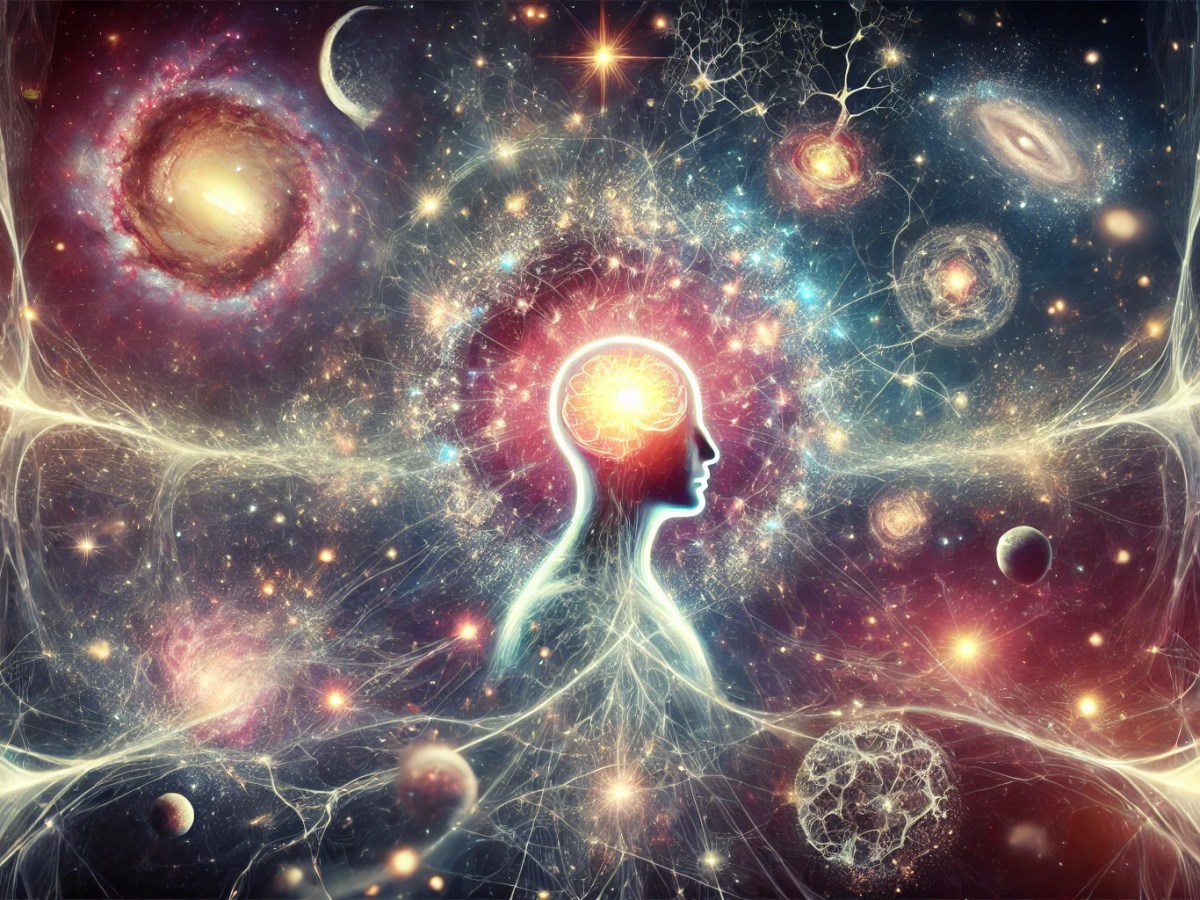
The Hard Problem of Consciousness and Wisdom from Sikhism
The content explores consciousness as a profound mystery, contrasting emergent views, which see it as a byproduct of brain activity, with fundamental perspectives that regard it as intrinsic to the universe. Sikhism, particularly through the Shabad “Man Tu Jot Saroop Hai,” offers insights, suggesting consciousness is interconnected, eternal, and a pathway to self-realization.

“Where Do You Come From, Where Have You Been, Where Will You Go?”
In the tapestry of spiritual literature, few themes resonate as profoundly as the enduring bonds of friendship interwoven with divine love. Bhagat Namdev Ji’s hymn, rendered in the sacred pages of the Sri Guru Granth Sahib, captures the quintessential spiritual narrative through the lens of the legendary friendship between Sudama and Lord Krishna. This relationship…
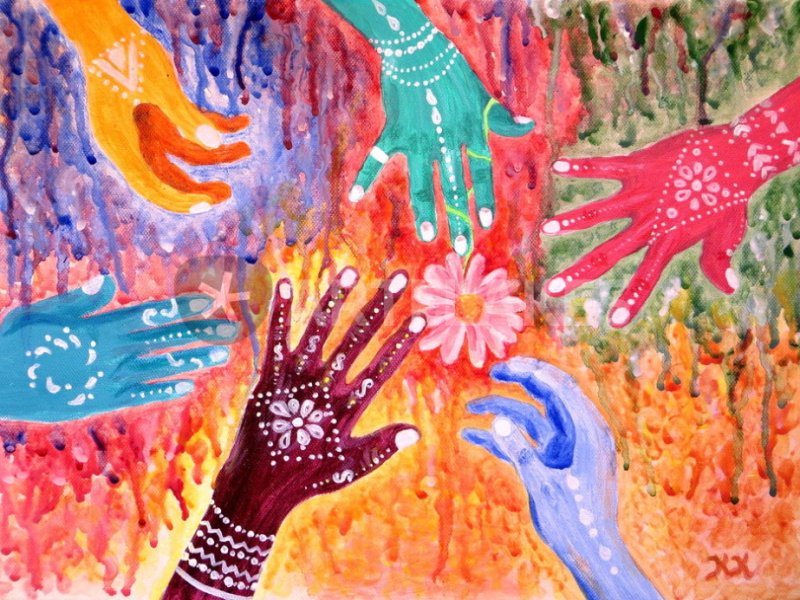
Cloak of Ignorance
Many a time, people believe their own version of self-perpetuating, pre-conceived notions to ‘cloak’ their mental abilities. All it does is inflate their egos further, blinding them from ignorance negating critical thinking. I recently posted about Holi and it ‘upset’ some people that, I being a #Sikh, should endorse Hola Mohalla instead (a Sikh tradition,…
Something went wrong. Please refresh the page and/or try again.
Follow My Blog
Get new content delivered directly to your inbox.
 Virdee's Blog